
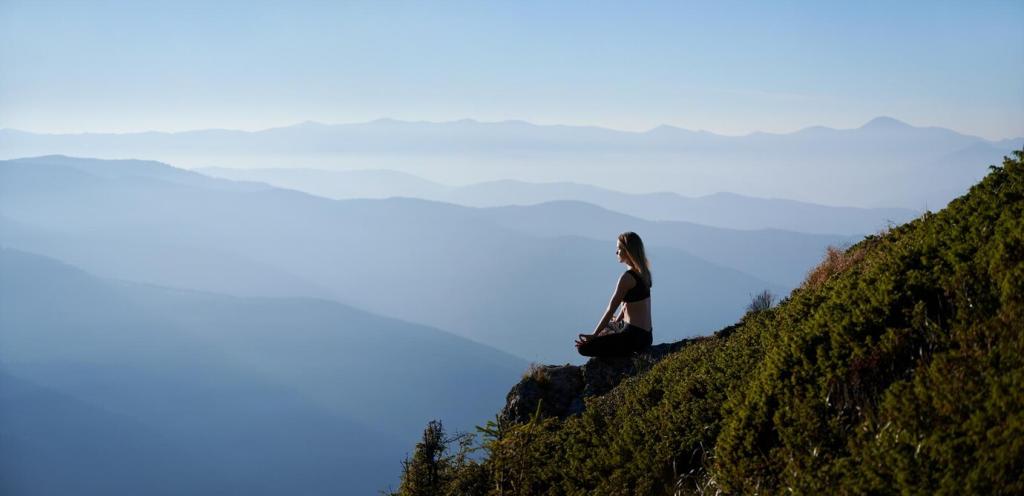

Chosen theme: Guided Imagery for Emotional Balance During Travel. Welcome aboard a soothing journey where your imagination becomes your carry-on comfort. Together, we’ll craft vivid inner scenes that steady your emotions, transform delays into pauses, and help you arrive centered and inspired.

Why Guided Imagery Works When You’re on the Move

Science in Your Carry-On

Guided imagery engages sensory pathways and nudges the parasympathetic nervous system, helping heart rate and breath find a balanced rhythm. When scenes feel vivid—sound, texture, scent—your brain often responds as if calm were physically present.

Anecdote from the Aisle Seat

During sudden turbulence, a traveler pictured waves rolling onto a familiar beach, matching breath to each swell. Minutes later, their shoulders softened, and a shy smile appeared. The plane hadn’t changed—only the inner landscape had.

Your Invitation to Reflect

Think of one place that instantly steadies you—maybe a garden path or a sunlit kitchen. Describe it in the comments, detail by detail, and notice how writing the scene deepens your calm.
Choose a Safe Place Scene
Pick a memory that reliably soothes you: the creak of a porch chair or the hush after snowfall. Walk through it slowly, committing five sensory details to memory so it’s ready before boarding.
Create a Sensory Palette
Record a short audio note describing colors, textures, and gentle sounds from your chosen scene. Listening during lines or security checks turns waiting into rehearsal for steadiness when challenges appear.
Commit in Writing
Jot a three-line script on a card: the place, one sentence of breath guidance, one anchor word. Tuck it with your passport. Portable words become an instant runway to emotional balance.

In-Transit Practices for Planes, Trains, and Buses

The Window Frame Method

Choose a fixed spot outside. Inhale as it approaches, exhale as it passes. Imagine painting calm onto the view with each breath, layering soft colors until the scene feels quietly supportive.

Turbulence Tides

During bumps, picture a harbor buoy riding swells. Count four beats in, six out, letting each exhale lengthen. The mind follows the buoy, learning movement need not mean danger, only temporary lift.

Micro-Rest Stations

Every station stop or seatbelt chime becomes a cue: relax jaw, soften belly, revisit your scene. Micro-moments, repeated, build resilience that lasts from gate to greeting.

Navigating Delays and Disruptions with Imagery

The Waiting Room Garden

Close your eyes and picture a small garden unfolding around your chair. With each breath, add a leaf, a bench, a shaded path. Create slow beauty while schedules renegotiate themselves.

Reframing the Announcement

Link the loudspeaker tone to a calming cue word—harbor, meadow, home. Each announcement becomes a bell of mindfulness, reminding you to return to your scene and release unnecessary tension.

Community Check-In

Share in the comments how a delay transformed after you tried imagery. Your story may become someone else’s lifeline during their next unexpected layover. Subscribe for future prompts and traveler spotlights.

Cultural Anchors: Borrowing Calm from the Places You Visit

When drawing from local places, learn their names and stories. Appreciation deepens calm and prevents flattening living cultures into props. Respect anchors the practice and strengthens emotional balance.

Cultural Anchors: Borrowing Calm from the Places You Visit

Choose one subtle sensory souvenir—a postcard’s paper texture, a tea’s aroma. Tie it to a simple breath script so remembering the place also reactivates your calm on future journeys.

Jet Lag, Sleep, and Restorative Visualization

Sunrise Simulation

Imagine warm light moving across your face from east to west, waking muscles in sequence. Pair with steady breaths to suggest a new morning to your circadian rhythm after long flights.

Body Scan Boarding

Picture a gentle conductor guiding relaxation from toes to scalp as if boarding each carriage. With every exhale, one muscle group settles, preparing you for restorative rest on arrival.

Evening Descent

At night, visualize your day landing smoothly: runway lights, gentle braking, quiet taxiing. Let worries disembark first. Subscribe for guided audio versions you can play bedside in any hotel.

Traveling with Children or Companions

Invite children to plant a tiny imaginary seed before departure and watch it sprout during the journey. Growth becomes a playful measure of calm whenever lines get long or seats feel squirmy.

Traveling with Children or Companions

Choose a collective anchor word—harbor, lighthouse, campfire. Whisper it before boarding and during connections. The shared cue links everyone to the same inner scene, strengthening group resilience.
Abiselevates
Privacy Overview

This website uses cookies so that we can provide you with the best user experience possible. Cookie information is stored in your browser and performs functions such as recognising you when you return to our website and helping our team to understand which sections of the website you find most interesting and useful.